
#107 - Captivating Families at Curriculum Nights: Strategies for Meaningful Engagement
Our family empowerment work launched in 2016 as a district-charter collaboration between two schools on the west side of Charlotte. Since then, we’ve worked with 30+ schools and organizations to support their family engagement and empowerment efforts, including 28 Title I schools in Charlotte. Since the 2021-22 school year (post-COVID), we’ve collected 12,000+ surveys from families understanding their needs and co-hosted 180+ data-driven family-focused events with 20,000+ attendees. These efforts have supported families’ upward mobility journeys and increased family engagement/empowerment, leading to better academic performance outcomes and reduced chronic absenteeism. You can learn more about our family empowerment work and the impact here.Curriculum nights are a cornerstone of building strong school-family relationships. In fact, many school districts mandate that their schools organize a “Back to School Night” or “Curriculum Night” early in the academic year; these events set the tone for the academic year, offering families a glimpse into their children’s educational journey and providing a platform to foster collaboration between schools and families. However, I’ve heard from many school leaders and teachers that their schools struggle to transform these curriculum nights into truly engaging and meaningful experiences. Here are strategies to captivate families and ensure curriculum nights are both impactful and enjoyable.
Send Personalized and Inclusive Invitations
The first step to a successful curriculum night is ensuring families feel invited and excited to attend:
Timing of communication: Notify families at least ten business days prior to the event. A bonus if you can include a “save the date” during Open House so that families can mark this date on their calendars!
Personalized communication: Use emails, phone calls, and physical invitations addressed directly to families.
Multilingual outreach: Provide invitations in the primary languages spoken by families in your community to ensure accessibility. You should be able to access this information through your school’s database such as PowerSchool.
Highlight benefits: Clearly communicate what families will gain from attending, such as insights into their child’s education, resources for at-home support, and opportunities to connect with teachers. Free food is always a plus!
Multiple reminders: Send follow-ups leading up to the event using different communication channels like social media, text messages, and school newsletters.
Consider the 10x5 communication matrix: sending communication out at least ten business days in advance of an event and making at least five touchpoints.
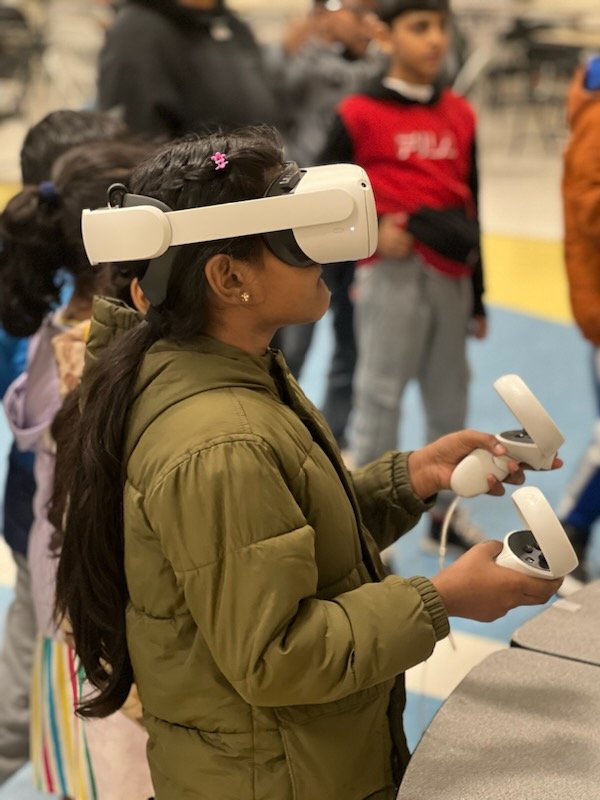
Extra Credit #1- Get creative and use another name. One of our partner schools, Sugar Creek Charter School, reimagined their curriculum night by naming it “Walk A Night In Your Child’s Shoes.” This inclusive and interactive theme invited families to step into their students’ worlds, experiencing a day in their lives. The compelling title not only sparked curiosity but also set the tone for a highly engaging event. Inspired by their success, we’ve “borrowed” this concept and introduced it at several of our partner schools, where it has resonated with families and boosted participation.
Create a Welcoming Atmosphere
From the moment families walk through the door, they should feel valued and included. This begins with thoughtful planning:
Warm greetings: Position staff and volunteers at entry points to welcome families with smiles. Bonus when staff and volunteers can hold the door open for families.
Cultural inclusivity: Decorate the space with culturally relevant imagery and provide materials in the primary languages spoken by families in your community.
Child-friendly options: Offer on-site childcare or interactive activities for children, ensuring parents can focus on the presentations.
Extra Credit #2- Showcase student work in the hallways. We’ve seen that events with students’ projects shown have a much higher attendance rate.
Make It Interactive
Sitting through lengthy presentations can be daunting. Break up the evening with interactive sessions that actively engage families:
Hands-on workshops: Let families dive into activities that mirror classroom learning. For instance, a math night could include solving puzzles alongside their children. Bonus to include a “make and take” element where families can create something useful to continue learning at home - like crafting flashcards or assembling a mini science experiment kit.
Q&A stations: Set up designated areas where families can ask questions about curriculum, extracurriculars, or school policies.
Technology demos: Showcase tools like the school’s parent portal or educational apps students use in the classroom.
Extra Credit #3- Transform your curriculum night into an adventure by organizing a “scavenger hunt” for families. Students can act as tour guides, leading their families through classrooms while checking off challenges like meeting teachers, exploring curriculum displays, or spotting key highlights of the learning environment. This gamified approach not only engages families but also makes the evening memorable and fun.
Provide Practical Resources
Families appreciate actionable takeaways that help them support their children’s education. Consider providing:
Curriculum guides: Simplify these with key dates, learning goals, and ways families can help at home.
Community resources: Partner with local organizations to offer materials on tutoring, health services, afterschool programs, and resources families expressed interest in.
Extra Credit #4- Provide families with “academic toolkits” containing flashcards, bookmarks, and guides for at-home learning activities. We’ve been able to leverage Promising Pages to provide books to students and families during family-focused events.
Foster Two-Way Communication
Curriculum night shouldn’t just be about schools presenting information; it’s an opportunity to listen to families:
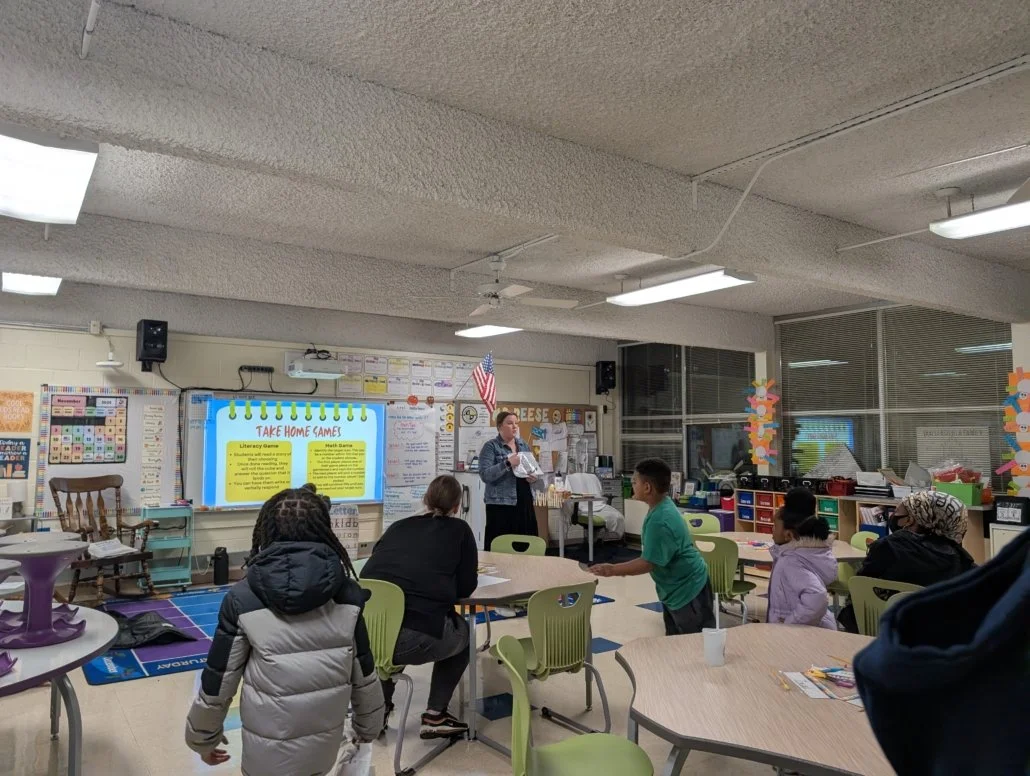
Feedback stations: Set up anonymous suggestion boxes or digital surveys to gather input on how the school can better support families.
Small group discussions: Create breakout sessions where families can share their hopes and concerns with teachers and administrators.
Follow-up opportunities: Let families know how their feedback will be used and invite them to future events or committees.
Extra Credit #5- We’ve partnered with schools to establish Family Empowerment Committees that bring together families (parents/caregivers), students, and school staff to collaboratively design and plan family-focused events. These committees serve as a bridge between families and schools, ensuring that events and initiatives are reflective of community needs and priorities. By fostering open dialogue and co-creation, the committees empower families to take an active role in shaping their children’s educational experiences while strengthening school-community relationships.Curriculum nights are more than an obligation; they’re an opportunity to inspire, inform, and empower families. By focusing on engagement, inclusivity, and collaboration, schools can transform these events into meaningful experiences that strengthen the partnership between families and educators.
Action Items
What strategies have worked for your school? Share your thoughts and success stories with us!
Check out our NEW Family Empowerment Toolkit for additional resources to create and implement a meaningful family engagement/empowerment plan at your school.
Want to partner with SchermCo Foundation for your family engagement and empowerment needs for the upcoming school year so you can reach more families? Reach out to Jia at jia@schermcofoundation.org.
